Why Making Gay Friends as an Adult Feels Hard in London (and 7 Things That Actually Work)

It’s easier to make new gay friends in a facilitated space
There's a question that comes up again and again in gay forums, group chats, and therapy rooms across London: "Why is it so hard to make gay friends in London?"
It shows up on Reddit. On Quora. In WhatsApp groups. And almost every time, the responses reveal the same deep truth: you can live in one of the most vibrant, diverse, LGBTQ+ friendly cities on the planet and still feel profoundly isolated.
A 2025 review published in the Journal of Homosexuality analysed 72 studies on loneliness among gay men and found it to be pervasive across all age groups, relationship statuses, and geographic locations. This isn't a personal failing. It's a structural issue, and understanding why it happens is the first step toward changing it.
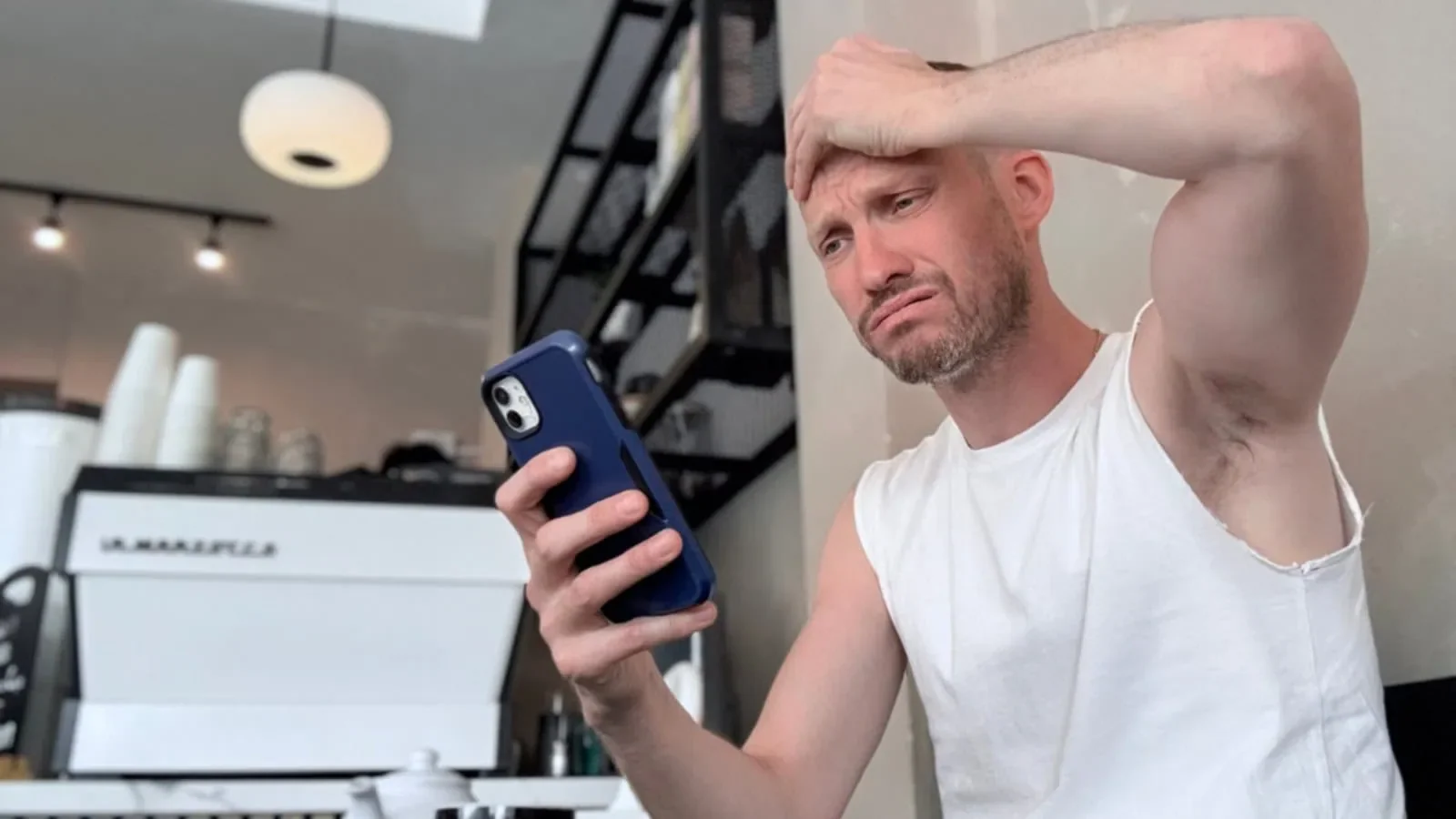
Gay male loneliness is an epidemic. only made worse by apps.
Why Gay Friendship Is Uniquely Difficult
We missed the developmental window for learning to make friends authentically
Most people develop their core friendship skills during adolescence: reading social cues, initiating plans, being vulnerable, navigating conflict. But many gay men spent those years managing a secret. Instead of learning how to connect openly, we learned how to monitor ourselves, perform, and protect.
Growing up closeted teaches hyper-vigilance, not intimacy. And those patterns don't disappear when we come out. They follow us into adulthood as a subtle but persistent difficulty with letting people in.
The spaces available to us are designed for everything except friendship
Gay bars are designed to sell alcohol. Apps are designed to facilitate hookups (or at least to keep you scrolling). Neither is optimised for the slow, repeated, low-stakes interactions that adult friendship actually requires.
Research on how adult friendships form consistently points to three ingredients: proximity, repetition, and physical time together. You need to see the same people regularly, in relaxed settings, over a period of weeks or months. A packed Saturday night in Vauxhall or a 15-minute Grindr conversation provides none of those ingredients.
Read my article on Dating App Fatigue For Gay Men
The boundaries between friendship, attraction, and sex are blurry
In heterosexual social circles, the line between "friend" and "potential partner" is usually clear. In gay male spaces, that line barely exists. This creates an undercurrent of ambiguity that makes it harder to relax into platonic connection. Am I interested in them? Are they interested in me? Is this a friendship or a date? That uncertainty can make every new interaction feel loaded.
Comparison and competition get in the way
Gay male culture has its own hierarchies: bodies, success, sexual capital, social status. These aren't unique to gay men (mainstream culture has them too), but they can feel amplified in smaller communities where everyone seems to know each other. When you're scanning a room for where you fit in the pecking order, you're not connecting. You're performing.
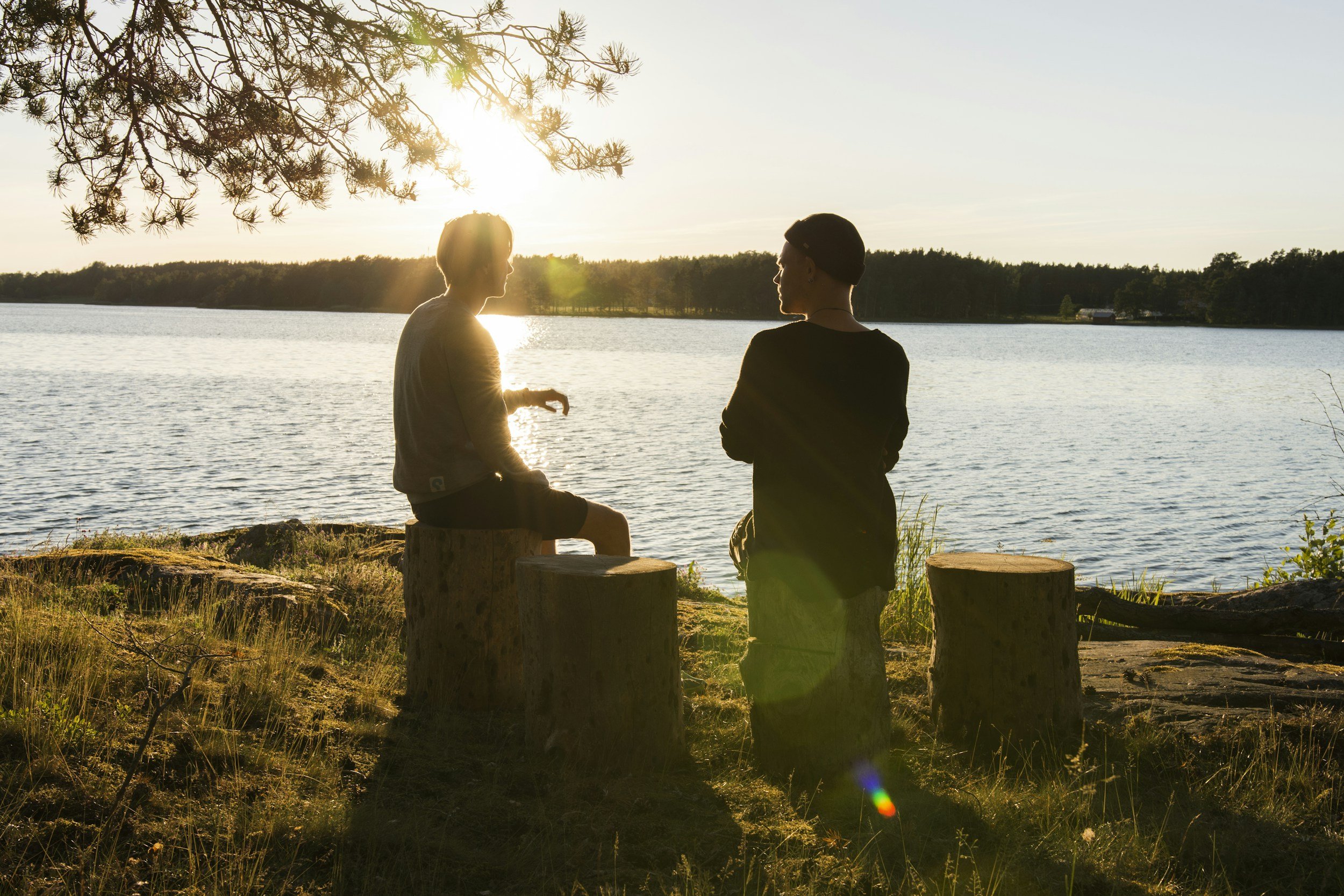
Having sex and hooking up has become easier than aaving a real life conversation with another gay men
What Actually Works: 7 Practical Ways to Build Gay Friendships in London
1. Choose recurring spaces over one-off events
The single most important thing you can do is find a group, event, or activity that meets regularly and commit to attending consistently. One-off events can be fun, but they rarely produce lasting friendships because you don't see the same people again. Bi-weekly, weekly gatherings, or even monthly, where the same faces keep showing up, are where real bonds form.
This is why communities like Pleasure Medicine work. The same gay men, and new ones, attend every two weeks, and over time, the group develops a depth of trust and familiarity that transforms the experience from "event" to "community." Have a listen to what the community are saying…
2. Do something together (don't just "hang out")
Friendship forms faster through shared activity than through face-to-face conversation. This is why sports teams, hiking groups, creative classes, and movement practices are so effective. When you're focused on an activity together, the social pressure drops. Conversation happens naturally in the gaps. And the shared experience gives you something to bond over beyond surface-level small talk.
Read my story of How Sober Dancing Daved My Life
3. Be the one who follows up
Most potential friendships die at the "we should hang out sometime" stage. Somebody has to be the one who sends the actual message. "Hey, I really enjoyed talking to you on Saturday. Fancy grabbing a coffee next week?" is all it takes. It feels vulnerable, and that's exactly why most people don't do it, which means the person who does stands out immediately. I always say be the gay you want to see in the world!
4. Lower your expectations for the first three months
New friendships feel awkward. That's normal. The early stages involve a lot of small talk, tentative invitations, and not quite knowing where you stand. Most people give up too early because those first interactions don't feel like the effortless connection they're hoping for. Real friendship is built, created and cultivated, not always found. Give it at least three months of regular contact before deciding whether someone is "your kind of person."
5. Find spaces that are sober or sober-friendly
Alcohol speeds up social interaction but it doesn't deepen it. You might have an incredible conversation at 1am in a bar and then struggle to recreate any of that energy over a coffee the following week. Sober and sober-friendly spaces, like connection workshops, community centres, hiking groups, and wellness events, allow you to build relationships based on who people actually are rather than who they become after a few drinks.
Read How To Meet Gay Men in London Without Apps or Bars or 7 Sober Gay Events in London
6. Address the inner critic before blaming external factors
If you notice patterns: "people don't seem interested in me," "I never fit in," "everyone already has their friend group," it's worth examining whether those stories are coming from childhood rather than reality. Many gay men carry shame, rejection sensitivity, or social anxiety rooted in early experiences that have nothing to do with the present. Therapy, men's circles, or structured connection events can help rewire those patterns.
7. Let go of the idea that you need to find "your people" all in one place
Your social needs are diverse. You might find a gym buddy at a sports club, a deep-conversation friend at a connection workshop like The Connection Lab or Slow Dating+, a creative collaborator through a choir, and a wild-adventure friend through a hiking collective. Expecting one group or one person to meet all your social needs is a recipe for disappointment. Build a patchwork.

Making gay friends in London takes time, patience and effort
Gay Loneliness Is Real, and It's Not Your Fault
It's worth repeating: if you're a gay man in London who finds it hard to make friends, there is nothing wrong with you. The structures that were supposed to connect us (the scene, the apps) were never designed for friendship. And the skills we needed to learn during adolescence were disrupted by the experience of growing up different.
What changes things is creating new experiences in new kinds of spaces. Spaces where vulnerability is welcomed, where you see the same faces regularly, and where the focus is on connection rather than consumption. Those spaces exist in London, and more are emerging all the time.
The first step is always the hardest. But it's also the only one that matters.
Frequently Asked Questions
Why do gay men struggle to make friends?
Several factors contribute: many gay men missed out on key socialisation during closeted adolescence, traditional gay spaces prioritise alcohol and sexual connection over platonic bonds, and the blurred boundaries between friendship and attraction add complexity.
How can I make gay friends in London as an adult?
The most effective approach is to join recurring groups where you see the same people regularly. Sports clubs, connection workshops, community centres, and special interest groups all provide the proximity and repetition that adult friendships require.
Learn more on The Complete Guide to Sober Gay Events in London 2026
Is gay loneliness a real problem in the UK?
Yes. Research from the Mental Health Foundation shows that LGBTQ+ people experience higher rates of loneliness than the general population. A 2025 systematic review of 72 studies confirmed that loneliness among gay men is pervasive across all demographics.
Where can I meet other gay men who want genuine friendship?
Look for spaces designed around shared activity rather than alcohol or dating: hiking groups like OutdoorLads, community organisations like London Friend, connection workshops like Pleasure Medicine, sports teams, and volunteer organisations.
What is a connection workshop for gay men?
A facilitated event where gay men practise authentic communication and vulnerability through guided exercises. Unlike a social event where you're left to make small talk, connection workshops provide a structure that helps you bypass surface-level interaction and build meaningful bonds faster.
Curious about Ecstatic Dance For Gay Men?
How do I get over the awkwardness of making new friends?
Commit to at least three visits to any new group before judging the experience. Most friendships feel uncomfortable at first. Be the person who follows up after events. And remember that everyone else in the room is probably feeling some version of the same awkwardness.