Ecstatic Dance for Gay Men: Everything You Need to Know Before Your First Time
You've heard the phrase. Maybe a friend mentioned it. Maybe you stumbled across it on Instagram. Maybe you're the kind of person who types things like "alternative gay events London" into Google at midnight because you're tired of the same old options.
Whatever brought you here, you probably have questions. And possibly some scepticism. That's completely fine.
Ecstatic dance has been growing steadily in London since the late 2000s, with weekly events drawing hundreds of people across the city. But until recently, there hasn't been a single ecstatic dance event designed specifically for gay men. That's changed, and if you're curious about what it actually involves (and whether it's for you), this guide covers everything.
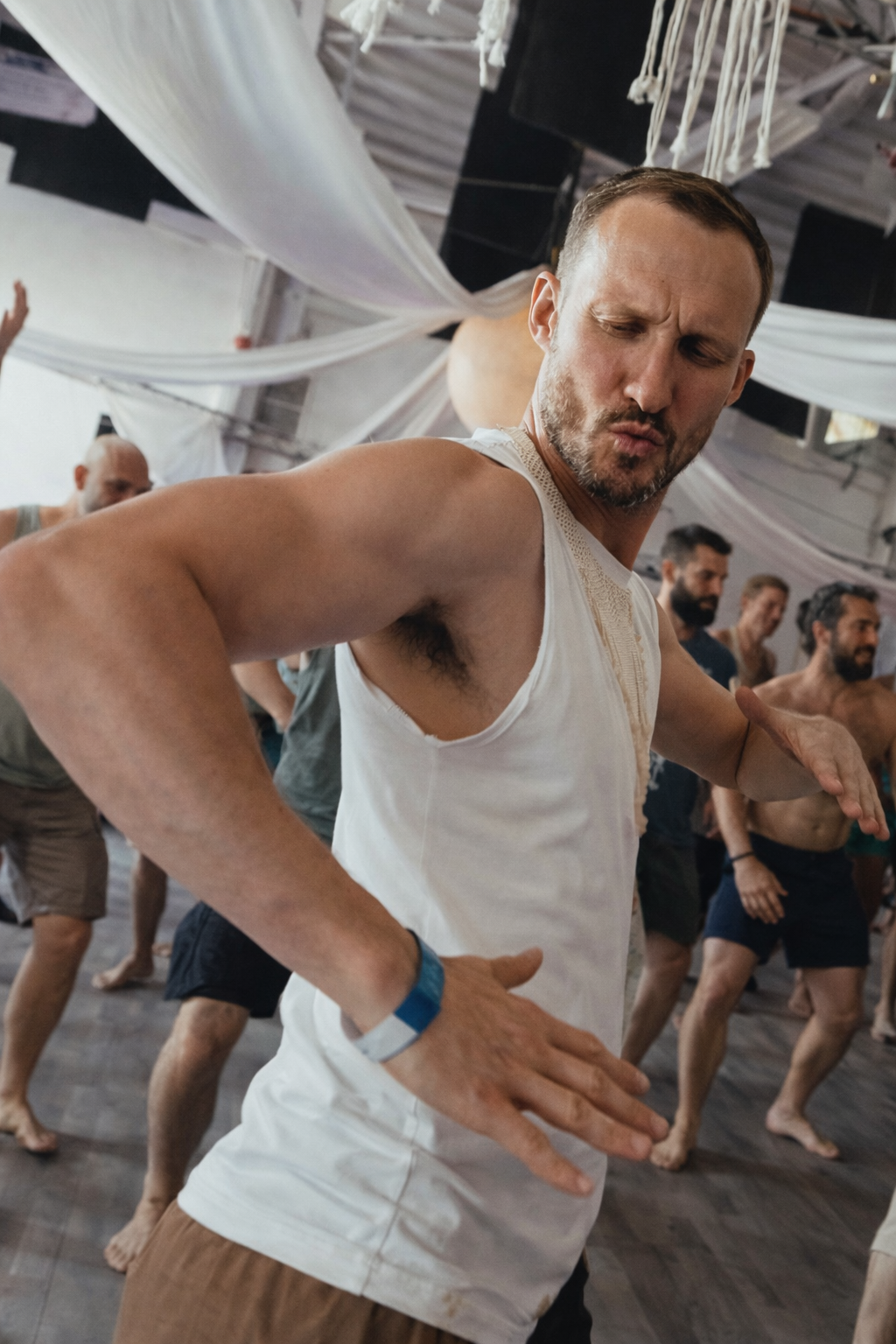
London’s first ecstatic dance for gay men
What Is Ecstatic Dance?
Ecstatic dance is a form of free movement set to a curated musical journey, usually lasting between 90 minutes and two hours. There's no choreography, no instructor calling out moves, and no right or wrong way to dance. The music typically builds from slow, ambient soundscapes through rhythmic, driving beats and back down to stillness, and you move however your body wants to move.
The key differences from a club night:
There is no alcohol. There is no talking on the dance floor (most ecstatic dance events observe a "no talking while dancing" guideline, though this varies). There are no phones. There is no specific dress code beyond comfortable clothing. And there's no expectation that you'll dance "well" by any conventional standard.
The practice has roots in conscious movement traditions and has been growing globally since the 1990s. What makes it different from simply "dancing sober" is the intentional container: the space is held, the music is carefully sequenced, and the environment is designed to help you get out of your thinking mind and into your body.
If you're exploring alternatives to the traditional gay scene more broadly, read How to Meet Gay Men in London Without Apps or Bars.
What Makes Ecstatic Dance for Gay Men Different?
The general ecstatic dance scene in London is welcoming to everyone, and many gay men attend mixed events comfortably. But there's something qualitatively different about dancing in a room full of other gay men.
For many of us, our bodies carry the residue of years spent monitoring ourselves. Watching how we walk. Controlling our gestures. Managing how much space we take up. Regulating how we express joy, sensuality, or emotion in public. Dancing freely in a space specifically created for gay men allows a particular kind of release that's hard to access in mixed environments.
There's also the connection element. At Pleasure Medicine, the ecstatic dance is preceded by facilitated connection exercises that help you arrive in the space, meet other men present, and begin to drop the social armour that most of us carry without realising it. By the time the music starts, you're not dancing alone in a crowd of strangers. You're moving alongside men you've already shared something real with.
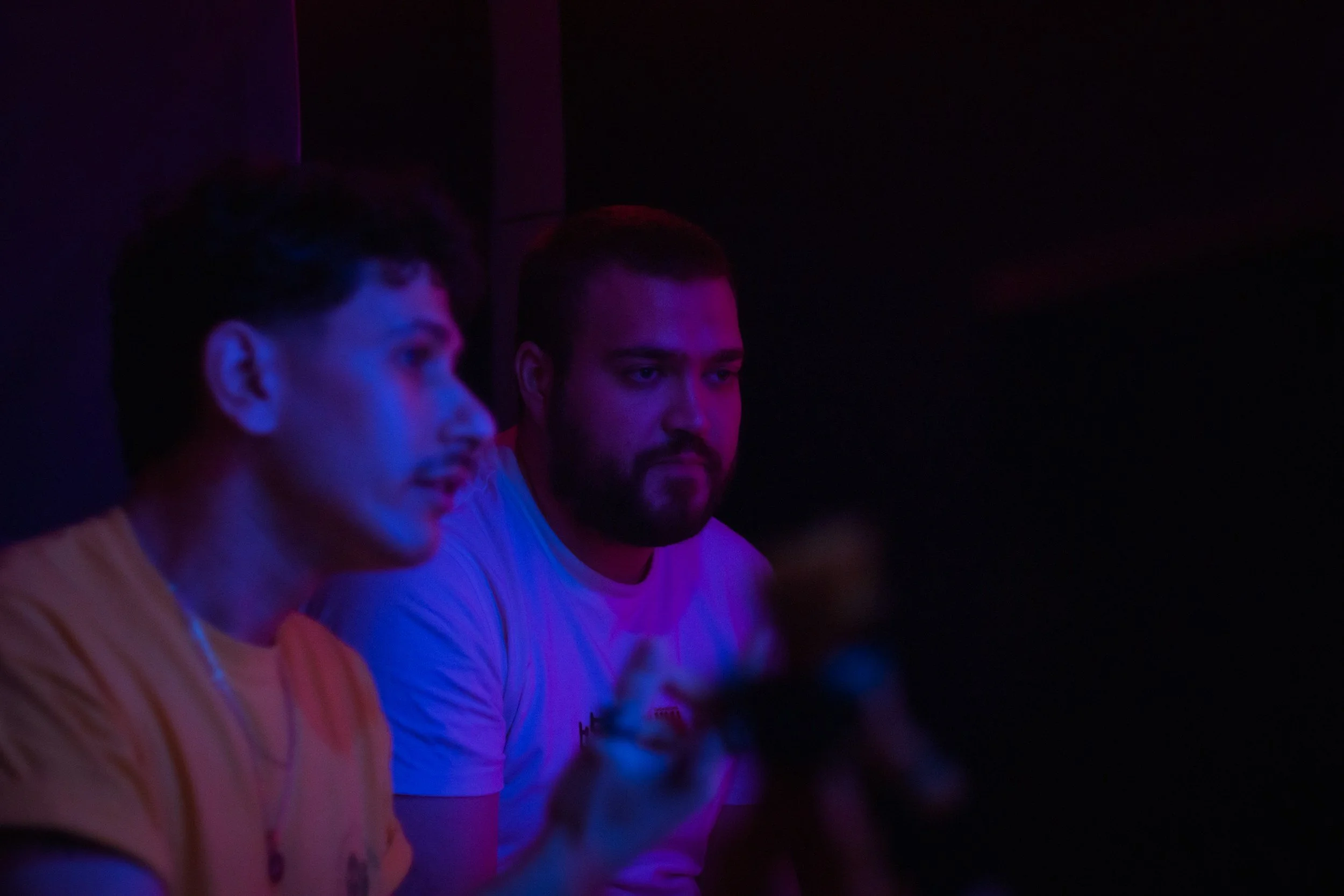
Pleasure Medicine starts with a connection workshop to drop the masks and protective armour
What to Expect at Your First Ecstatic Dance
Before you arrive
You might feel a little nervous. Most people so. The idea of "free-form dancing sober in front of other people" triggers exactly the kind of self-consciousness that ecstatic dance is designed to dissolve, which means the anticipation is almost always worse than the reality. This is why we ease in with a connection workshop that is light, and fun. It gets you laughing and meeting everyone in the space. Those nerves soon melt away.
Eat lightly a couple of hours before. Drink water. Wear comfortable clothes you can move in (think gym kit, loose trousers, a t-shirt you don't mind getting sweaty). Bare feet are traditional in ecstatic dance, but socks or soft-soled shoes work too.
The opening
Most ecstatic dance events begin with a brief introduction from the facilitator. At Pleasure Medicine, this includes guided connection exercises: partner work, movement prompts, and practices designed to help you arrive fully in the room. These exercises aren't awkward icebreakers. They're carefully designed to build safety and presence, so that by the time the dance begins, the room feels held.
The dance journey
The DJ or facilitator plays a curated musical set that moves through distinct phases. It typically begins slowly, with ambient, spacious sounds that invite gentle, exploratory movement. The tempo and intensity build gradually through more rhythmic, percussive music. There's usually a peak, where the energy in the room is high and the movement is powerful and liberating. Then the music softens, slows, and eventually brings you to stillness.
You can dance however you want. Stand in one spot and sway. Move across the floor. Lie down. Sit against the wall. Close your eyes. Keep them open. Dance with others or dance alone. There is genuinely no wrong way to do this.
The closing
Most events end with a period of stillness or gentle movement, followed by a closing circle or sharing. This is where the community element really shows up: hearing other men describe what they experienced on the dance floor often names something you felt but couldn't articulate.
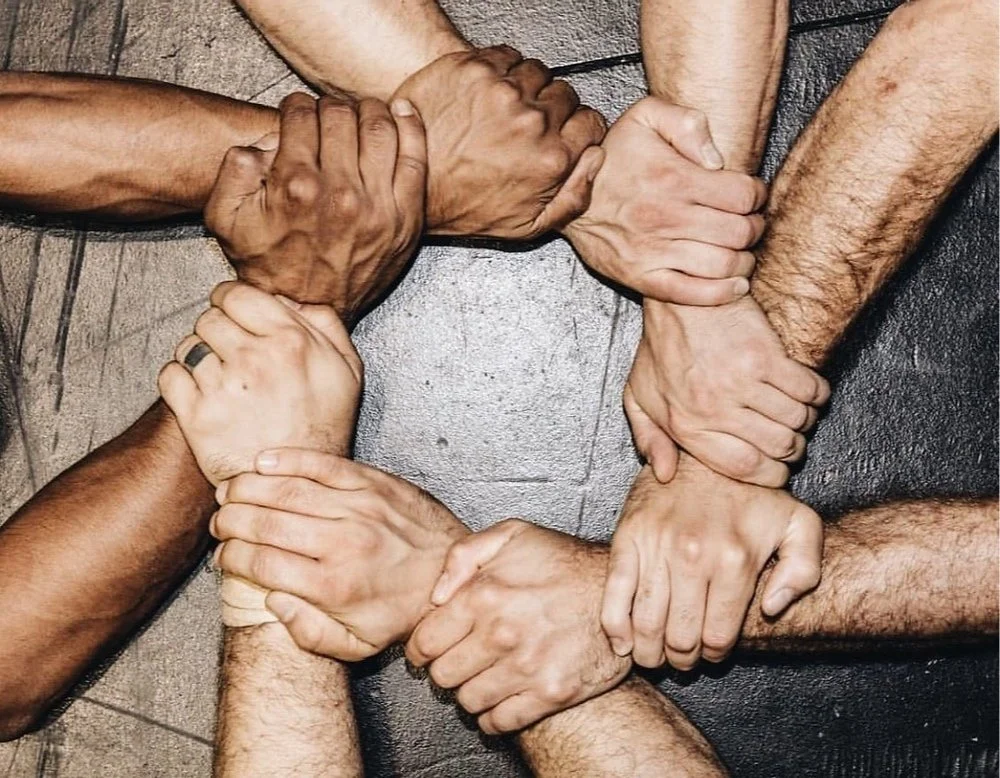
Connection and community are an essential part of gay mens mental health in London
Common Questions and Concerns
"I can't dance"
This is the number one thing people say before their first ecstatic dance, and it's based on a misunderstanding. Ecstatic dance isn't about performing choreography or looking good. It's about listening to your body and moving in response to music. If you can shift your weight from one foot to the other, you can do ecstatic dance. Some of the most powerful moments happen when someone stops trying to "dance well" and simply allows their body to do whatever it wants.
"Is it sexual?"
The dance itself is not sexual, though it can be sensual. There's an important difference. Moving your body freely, feeling rhythm, experiencing pleasure in your own physical expression: these are sensual experiences. The space at Pleasure Medicine is boundaried and consent-aware. Contact with others happens only when mutually initiated and welcomed.
"Will people judge me?"
This is one of the most common fears, and the honest answer is: probably not, because everyone is too focused on their own experience to watch yours. Ecstatic dance culture actively celebrates authentic expression over polished performance. The man moving wildly with his eyes closed is celebrated, not judged. And in a room of gay men who all carry some version of the same fear, there's a collective relief when everyone agrees to let that fear go together.
"Do I need to go with someone?"
No. Many people come alone, especially the first time. The connection exercises at the beginning of Pleasure Medicine events are specifically designed to ensure that everyone feels part of the group, whether they arrived with friends or by themselves.
"What if I get emotional?"
Good. Emotions are welcome. Moving your body to music can release stored tension, grief, joy, anger, and everything in between. Some people cry. Some people laugh. Some people feel nothing the first time and everything the second. All of it is normal.
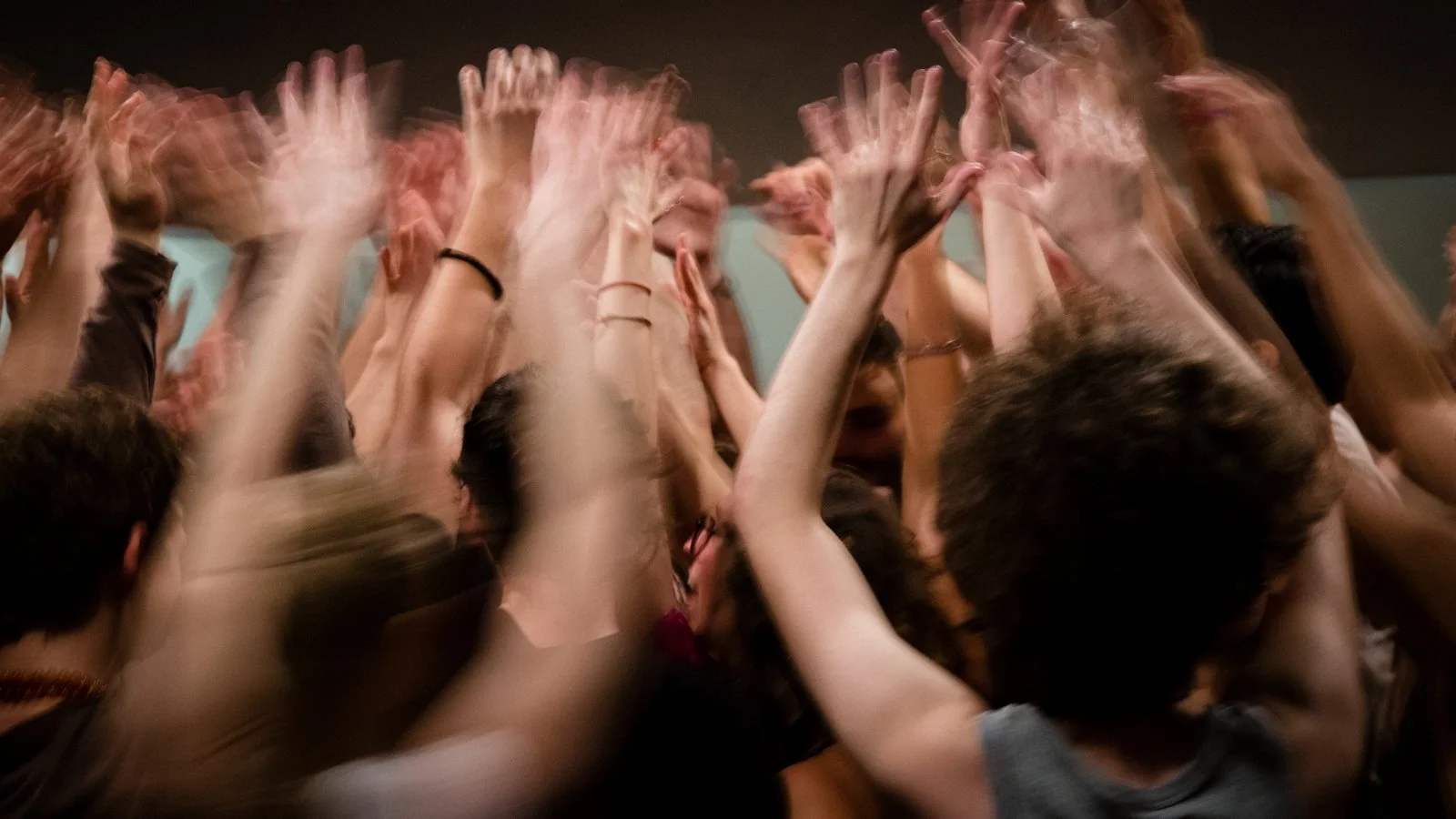
The nerves soon melt, the masks drop and the armour comes off.
The Benefits: What Regular Dancers Report
Men who attend ecstatic dance regularly describe a range of benefits that extend well beyond the dance floor.
Reduced anxiety and overthinking. The practice of getting out of your head and into your body translates directly into everyday life. Men report feeling less caught in anxious thought loops and more present in their daily experience.
Deeper friendships. Dancing vulnerably alongside someone creates a bond that small talk never could. Many men describe the community formed through regular attendance as some of the most meaningful relationships in their lives.
If building gay friendships has felt difficult, read Why Making Gay Friends as an Adult Feels Hard in London.
Improved body confidence. In a culture that constantly tells gay men their bodies need to look a certain way, ecstatic dance offers a radical alternative: your body is an instrument for expression and pleasure, not a project to be perfected.
Greater emotional range. Many gay men have learned to compress their emotional expression into a narrow, "acceptable" band. Ecstatic dance gradually widens that range, giving you access to parts of yourself that may have been shut down for years.
Better connection in relationships. Men who practise embodied movement report being more present, more communicative, and more physically comfortable in their romantic and sexual relationships.
How to Try Ecstatic Dance for Gay Men in London
Pleasure Medicine runs ecstatic dance and connection events for gay men in East London on a bi-weekly schedule. Each event includes facilitated connection exercises followed by a curated dance journey, all in a sober, boundaried, welcoming environment. No dance experience is required. You can come alone or with friends. [Link: pleasuremedicine.co.uk/events]
If you're hesitant, consider this: every single person in the room was nervous before their first time. That's part of what makes the community so supportive. Everyone remembers what it felt like to walk in for the first time, and everyone is rooting for you.
For more alcohol-free ways to socialise as a gay man in London, read The Complete Guide to Sober Gay Events in London.
Frequently Asked Questions
What is ecstatic dance for gay men?
A facilitated, sober, free-movement dance experience designed specifically for gay men. There's no choreography, no alcohol, and no pressure to dance "well." The music builds through phases and you move however feels right for your body.
Do I need dance experience for ecstatic dance?
No experience is needed. Ecstatic dance welcomes all movement abilities. If you can shift your weight or sway to music, you can participate fully. The focus is on authentic expression, not technical skill.
Learn more at The Complete Guide to Sober Gay Events in London 2026
Is ecstatic dance a spiritual practice?
It depends on the individual. Some participants experience it as deeply spiritual, others as a great workout, and others as a social experience. At Pleasure Medicine, the focus is on connection, embodiment, and community rather than any specific spiritual framework.
What should I wear to ecstatic dance?
Comfortable, breathable clothing you can move freely in. Think gym clothes, loose trousers, or anything you'd wear to a yoga class. Most people dance barefoot, but socks or soft shoes are fine too.
Where can I try ecstatic dance for gay men in London?
Pleasure Medicine is the dedicated ecstatic dance and connection event for gay men in London, running bi-weekly in East London. General (not gay-specific) ecstatic dance events also run weekly across London at various venues.
How much does ecstatic dance cost?
Prices vary by event. Pleasure Medicine tickets are typically priced accessibly to keep the experience open to as many men as possible. Check the events page for current pricing.